
Budget Grocery List for Healthy Eating (Under $50/Week)
📋 Table of Contents
- Introduction
- The $50/Week Grocery List Breakdown
- Proteins ($12–15/week)
- Grains and Starches ($8–10/week)
- Vegetables ($12–15/week)
- Pantry Staples ($8–12/week)
- Dairy ($5–8/week)
- Price Comparisons: How Budget Shopping Saves Money
- Smart Shopping Tips and Strategies
- Sample Meal 1: Turkey and Bean Burrito Bowls
- Sample Meal 2: Lentil Vegetable Soup
- Sample Meal 3: Egg Fried Rice with Vegetables
- Printable $50/Week Budget Grocery List
- Money-Saving Strategies Summary
Introduction
Eating healthy doesn’t require a premium grocery budget. With strategic planning, smart shopping, and knowledge of which foods offer maximum nutrition per dollar, you can feed yourself or a family of two nutritious, delicious meals for under $50 per week. This comprehensive guide provides a detailed $50/week grocery list broken down by category, price comparisons, smart shopping strategies, and three sample meal combinations that demonstrate how to maximize nutrition while minimizing expense.
The average American spends $80–120 per week on groceries while often purchasing processed, nutrient-poor foods. By shopping strategically, buying generic brands, utilizing sales, and planning meals around affordable whole foods, you’ll not only save money but also improve nutritional quality. This guide proves that budget eating and healthy eating aren’t mutually exclusive.
If you’re looking for specific healthy recipes to cook with these ingredients, check out our 30-Minute Weight Loss Dinner Recipes — every recipe in that guide is designed to be budget-friendly and uses ingredients from this exact grocery list.
The $50/Week Grocery List Breakdown
🥚 Proteins ($12–15/week)
What to Buy
- Eggs: 1–2 dozen at $2–3/dozen = $2–6
- Canned Tuna: 3–4 cans at $1–1.50 each = $3–6
- Dried Beans and Lentils: 2–3 lbs at $1.50–2.50/lb = $3–7.50
- Chicken Drumsticks or Thighs: 2–3 lbs at $1.50–2/lb = $3–6
- Ground Turkey or Beef (on sale): 1–2 lbs = $3–6
Why These Work
- Eggs are nature’s most economical complete protein — all 9 essential amino acids at ~$0.20 per egg
- Canned tuna is shelf-stable; “chunk light” in water gives best value — 20g protein per can
- Dried beans cost 80% less than canned, with identical nutrition — 1 lb dry yields ~3 lbs cooked
- Dark meat chicken costs less than breasts and offers superior flavor for multiple meal preps
- Monitor weekly sales on ground meat and freeze purchases when prices drop
🌾 Grains and Starches ($8–10/week)
What to Buy
- Brown Rice: 2–3 lbs at $0.60–1/lb = $1.20–3
- Oats: 1–2 lbs at $0.50–1/lb = $0.50–2
- Whole Wheat Bread: 1–2 loaves at $1.50–2.50 each = $1.50–5
- Whole Wheat Pasta: 1–2 boxes at $0.75–1 each = $0.75–2
- Sweet Potatoes: 2–3 lbs at $0.50–0.75/lb = $1–2.25
- Potatoes: 5-lb bag = $2–3
Why These Work
- Brown rice — buy the largest bag available; stores indefinitely when kept dry
- Rolled oats are economical, shelf-stable, and nutritionally dense for breakfasts
- Choose store brand bread or day-old loaves; freeze extra to extend shelf life
- Whole wheat pasta has more fiber and protein than refined; stock up during sales
- Sweet potatoes are nutrient-dense; buy irregular shapes for better prices
- Potatoes are one of the most nutrient-dense calorie sources available per dollar
🥦 Vegetables and Fruit ($12–15/week)
What to Buy
- Carrots: 2-lb bag = $0.75–1
- Onions: 3-lb bag = $0.99–1.50
- Cabbage: 1–2 heads = $0.75–3
- Celery: 1–2 bunches = $0.99–3
- Frozen Mixed Vegetables: 2–3 bags = $3–6
- Frozen Broccoli or Spinach: 1–2 bags = $1.50–4
- Bananas: 2–3 lbs = $1–1.80
- Apples: 3–4 lb bag = $1.50–3.20
- Seasonal Produce (tomatoes, peppers, zucchini) = $2–5
Why These Work
- Carrots — extremely affordable, shelf-stable, and nutritious; bulk bags give best value
- Onions — essential flavor base for almost every dish; store for weeks
- Cabbage — among the most affordable vegetables per calorie and nutrient
- Frozen vegetables are processed at peak ripeness, often more nutritious than shipped fresh
- Bananas — most affordable fresh fruit; buy slightly green and eat as they ripen
- Apples — long shelf life, portable snack; frequently on sale
- Seasonal produce costs 50–70% less than off-season items
🧂 Pantry Staples ($8–12/week)
What to Buy
- Olive Oil: Already in pantry (lasts 2–3 months)
- Peanut Butter: 16 oz jar = $2–3 (lasts 3–4 weeks)
- Canned Tomatoes: 2–3 cans at $0.60–1 each = $1.20–3
- Low-Sodium Broth: 2–3 cartons at $1–1.50 each = $2–4.50
- Garlic: 1 bulb = $0.50
- Spices from bulk bins: cumin, chili powder, oregano, cinnamon = $0.10–0.50 each
- Soy Sauce: 10 oz bottle = $1–2 (lasts 2+ months)
- Honey or Maple Syrup: Small bottle = $3–5 (lasts 2–3 months)
Why These Work
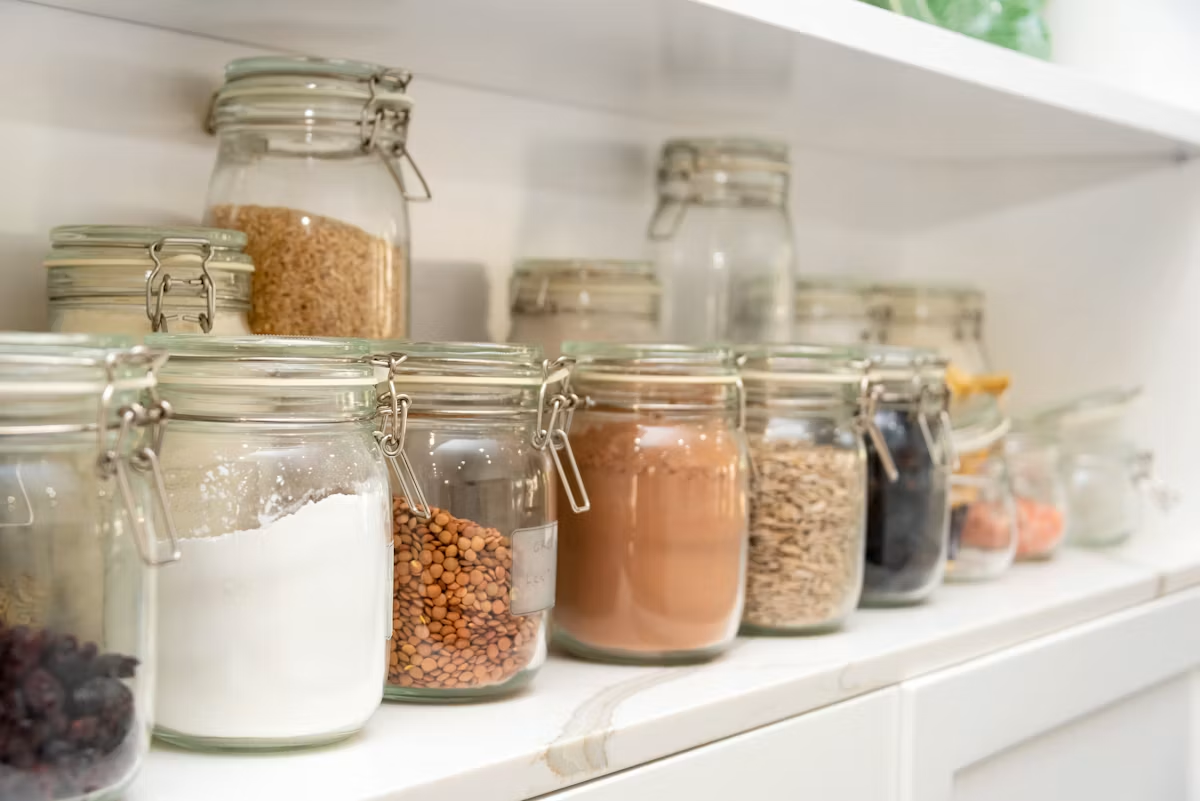
- Pantry staples are amortized across many weeks — real weekly cost is low
- Buy generic canned tomatoes — no quality difference versus name brands
- Stock up on broth when on sale; it stores for months unopened
- One garlic bulb provides weeks of seasoning stored in a cool, dark place
- Bulk bin spices cost a fraction of jarred spices — buy only what you need
- Soy sauce and vinegar add enormous flavor per dollar spent
🥛 Dairy ($5–8/week)
What to Buy
- Milk: 1–2 gallons at $2.50–4 each = $2.50–8
- Yogurt: 2–4 containers at $0.50–0.80 each = $1–3.20
- Cheese: 4–8 oz hard cheese at $2–3.50/lb = $0.50–1.75/week
Why These Work
- Choose generic milk — identical to name brand at lower cost
- Plain yogurt offers much better value than flavored; add honey or fruit yourself
- Buy cheese wedges rather than pre-shredded — lasts longer and costs less per ounce
- Dairy contributes significant protein and calcium for low cost per serving
Price Comparisons: How Budget Shopping Saves Money
Protein Sources (cost per serving):
- Eggs (2 eggs): $0.20 — 14g protein
- Dried Beans: $0.15 — 15g protein
- Canned Tuna: $0.50 — 20g protein
- Chicken Thighs: $0.75 — 25g protein
- Ground Meat (on sale): $1.00 — 20g protein
- Restaurant grilled chicken entree: $12–15 — similar protein
Grain Sources (cost per serving):
- Oats (one serving): $0.15
- Brown Rice (one cooked cup): $0.30
- Whole Wheat Bread (one slice, generic): $0.25–0.50
- Whole Wheat Pasta (one cooked cup): $0.50
- Restaurant side grain: $3–5
Vegetables (cost per pound):
- Fresh Carrots: $0.25–0.40/lb
- Frozen Mixed Vegetables: $0.50–0.75/lb
- Seasonal Produce: $0.50–1.50/lb
- Restaurant vegetable side: $4–6
Home-cooked vegetables cost 80–90% less than the equivalent restaurant side — and they’re just as nutritious.
Smart Shopping Tips and Strategies
1. Shop Sales and Stock Up: Check your store’s weekly flyer before shopping. Plan meals around what’s on sale. Buy loss-leader proteins when deeply discounted and freeze for later use.
2. Buy Generic Brands: Generic brands are identical to name brands for 20–30% lower cost. This applies to everything from canned goods to milk to frozen vegetables — quality is identical, packaging is different.
3. Choose Seasonal Produce: Seasonal vegetables cost 50–70% less than off-season. Winter squash, root vegetables, and leafy greens are winter bargains. Summer offers affordable berries and peppers.
4. Buy in Bulk Where Possible: Dried beans, rice, oats, and nuts cost significantly less purchased in bulk. Shop stores with bulk bins or buy larger sizes and store properly.
5. Purchase Frozen Over Fresh: Frozen vegetables are processed at peak ripeness, often more nutritious than shipped fresh. They prevent waste, cost less, and last longer.
6. Skip Convenience Items: Pre-cut vegetables, pre-made meals, and specialty items cost 2–3x more. Spending 15 minutes chopping vegetables saves real dollars every week.
7. Plan Around Protein Sales: Proteins typically cost the most. Plan shopping around sales — buy 2–3 lb quantities of ground meat when discounted and freeze immediately.
8. Minimize Food Waste: Plan meals using ingredients you already have. Buy quantities you’ll actually use. Store properly to maximize shelf life.
9. Compare Unit Prices: Don’t assume larger packages are cheaper. Compare price per ounce or pound to identify the true best value on the shelf.
10. Avoid Shopping While Hungry: Hunger leads to impulse purchases and budget overages. Shop after meals when you make rational decisions.
💡 Sample Budget Meals
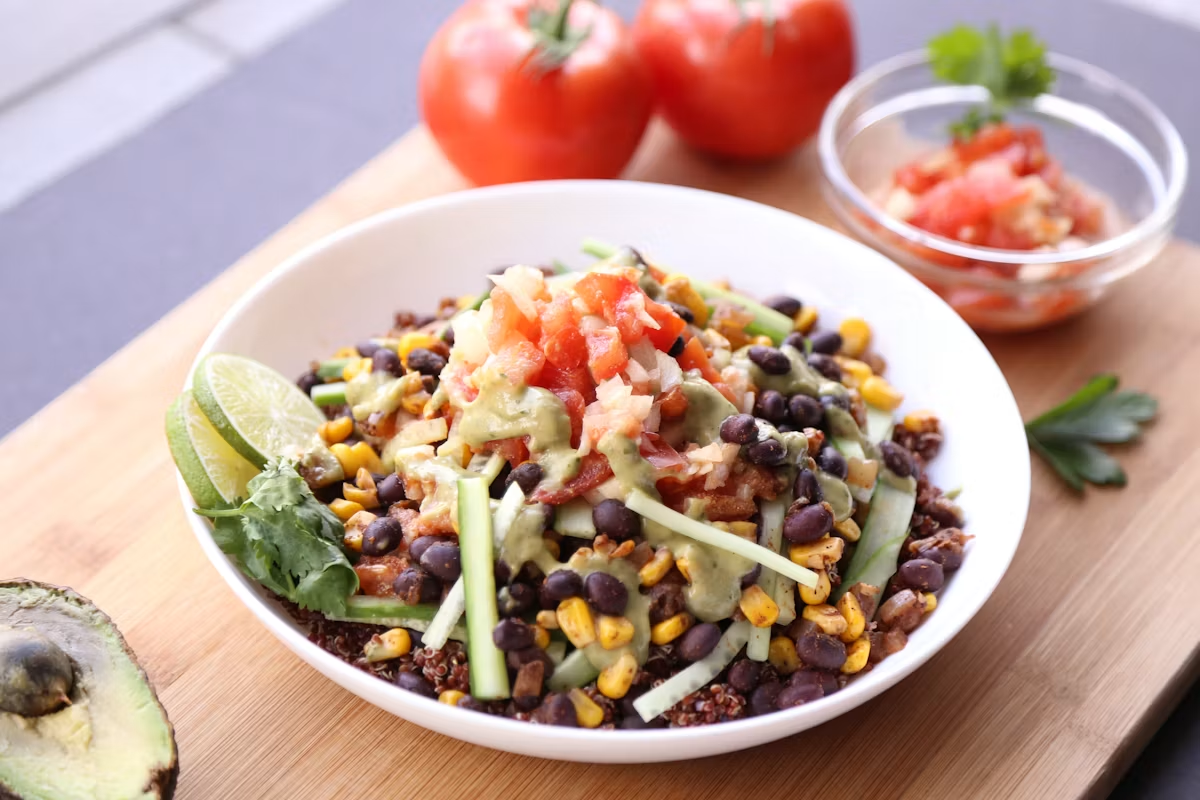
Sample Meal 1: Turkey and Bean Burrito Bowls ($1.90 per serving)
Cost Breakdown (Serves 4)
- 1 lb ground turkey — $3.50
- 1 can black beans — $0.60
- 2 cups brown rice (dry) — $0.60
- 1 can corn — $0.50
- 1 can diced tomatoes — $0.60
- 1 onion — $0.30
- Cumin and chili powder — $0.20
- Lime juice — $0.30
- Total: $7.60 | Per Serving: $1.90
Instructions
- Cook brown rice per package directions
- Brown ground turkey with diced onion in a skillet over medium-high heat
- Add cumin and chili powder, stir to coat
- Add drained black beans, corn, and diced tomatoes; simmer 5 minutes
- Divide cooked rice into four bowls
- Top with turkey-bean mixture
- Squeeze fresh lime juice over each bowl and serve

Sample Meal 2: Lentil Vegetable Soup ($1.26 per serving)
Cost Breakdown (Serves 5)
- 1 cup dried lentils — $1.50
- 1 onion — $0.30
- 3 carrots — $0.60
- 2 celery stalks — $0.50
- 6 cups vegetable broth — $1.50
- 1 can diced tomatoes — $0.60
- Garlic, salt, pepper — $0.30
- Total: $6.30 | Per Serving: $1.26
Instructions
- Heat olive oil in a large pot over medium heat
- Sauté diced onion, carrots, and celery for 5 minutes
- Add minced garlic and cook 1 minute until fragrant
- Add rinsed lentils and vegetable broth
- Bring to boil, reduce heat, simmer 20 minutes
- Add diced tomatoes and cook 10 minutes more
- Season with salt and pepper, serve hot
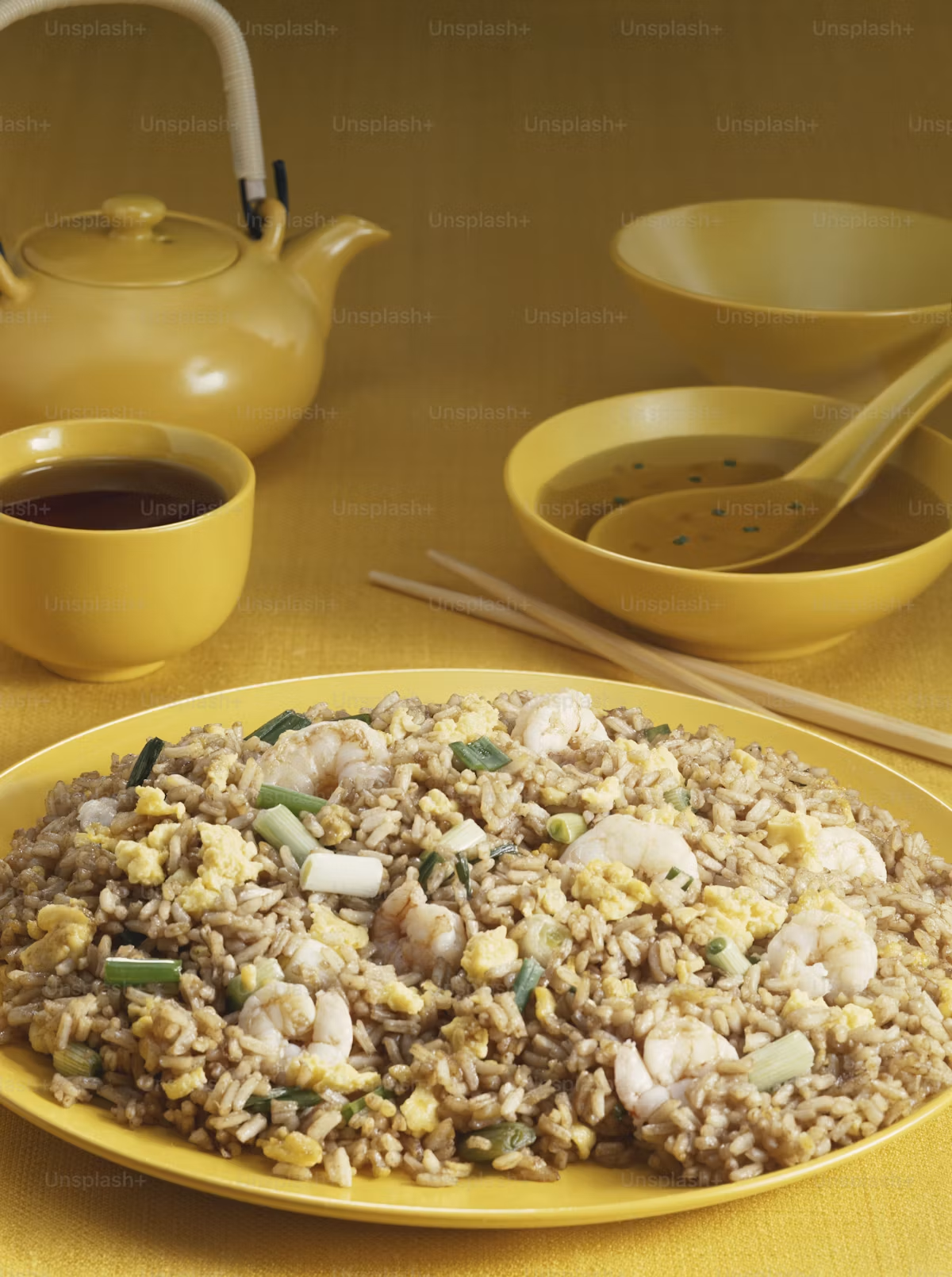
Sample Meal 3: Egg Fried Rice with Vegetables ($1.10 per serving)
Cost Breakdown (Serves 3)
- 3 eggs — $0.75
- 2 cups cooked brown rice — $0.60
- 2 cups frozen mixed vegetables — $1.20
- 1 onion, diced — $0.30
- 2 cloves garlic — $0.10
- 2 tbsp soy sauce — $0.15
- 1 tsp sesame oil — $0.20
- Total: $3.30 | Per Serving: $1.10
Instructions
- Heat sesame oil in a large skillet or wok over high heat
- Scramble eggs until just cooked through; remove and set aside
- Add diced onion and garlic, cook 2 minutes until softened
- Add frozen vegetables and cook 3 minutes
- Add cooked rice and soy sauce; stir-fry 3 minutes
- Return eggs to pan and toss everything together
- Serve hot immediately
🛒 Printable $50/Week Budget Grocery List
Proteins ($12–15)
- Eggs: 1–2 dozen
- Canned tuna: 3–4 cans
- Dried beans or lentils: 2–3 lbs
- Chicken thighs or drumsticks: 2–3 lbs
- Ground turkey or beef (when on sale): 1–2 lbs
Grains and Starches ($8–10)
- Brown rice: 2–3 lbs
- Oats: 1–2 lbs
- Whole wheat bread: 1–2 loaves
- Whole wheat pasta: 1–2 boxes
- Sweet potatoes: 2–3 lbs
- Potatoes: 5-lb bag
Vegetables and Fruit ($12–15)
- Carrots: 2-lb bag
- Onions: 3-lb bag
- Cabbage: 1–2 heads
- Celery: 1–2 bunches
- Frozen mixed vegetables: 2–3 bags
- Frozen broccoli or spinach: 1–2 bags
- Bananas: 2–3 lbs
- Apples: 3–4 lb bag
- Seasonal produce: tomatoes, peppers, or zucchini
Pantry Staples ($8–12)
- Peanut butter (if buying new)
- Canned tomatoes: 2–3 cans
- Low-sodium broth: 2–3 cartons
- Garlic: 1 bulb
- Spices: cumin, chili powder, oregano
- Soy sauce (if buying new)
Dairy ($5–8)
- Milk: 1–2 gallons
- Yogurt: 2–4 containers
- Cheese: 4–8 oz
Money-Saving Strategies Summary
- Prioritize Whole Foods: Focus 90% of budget on unprocessed items
- Buy Generic Brands: Identical quality at 20–30% savings
- Purchase Proteins on Sale: Freeze for later use
- Choose Seasonal Produce: Save 50–70% versus off-season
- Minimize Waste: Plan meals, store properly, use inventory
- Cook from Scratch: Pre-made items cost multiple times more
- Buy in Bulk: Rice, beans, and oats cost significantly less
- Use a Shopping List: Stick to plan and avoid impulse purchases
- Compare Unit Prices: Larger isn’t always cheaper
- Shop Smart Times: Less crowded stores = faster shopping = fewer impulse buys
Ready to put these groceries to use? Our 30-Minute Weight Loss Dinner Recipes guide turns every item on this list into fast, delicious meals under 360 calories per serving.