
Gut Health Diet on a Budget: Foods, Recipes, and Meal Plan
📋 Table of Contents
- The Science of Gut Health
- Budget-Friendly Probiotic Foods
- Budget-Friendly Prebiotic Foods
- Recipe 1: Overnight Oats with Kefir and Berries
- Recipe 2: Miso Soup with Tofu and Vegetables
- Recipe 3: Lentil and Vegetable Stew
- Recipe 4: Fermented Cabbage Slaw
- Recipe 5: Barley and Mushroom Risotto
- Recipe 6: Tempeh and Vegetable Stir-Fry
- Recipe 7: Apple Cider Vinegar and Honey Tonic
- Recipe 8: Garlic and Onion Bean Soup
- Recipe 9: Green Banana Smoothie Bowl
- Recipe 10: Asparagus and Garlic Pasta
- 7-Day Gut Health Meal Plan
- Foods to Avoid and Prioritize
The Science of Gut Health
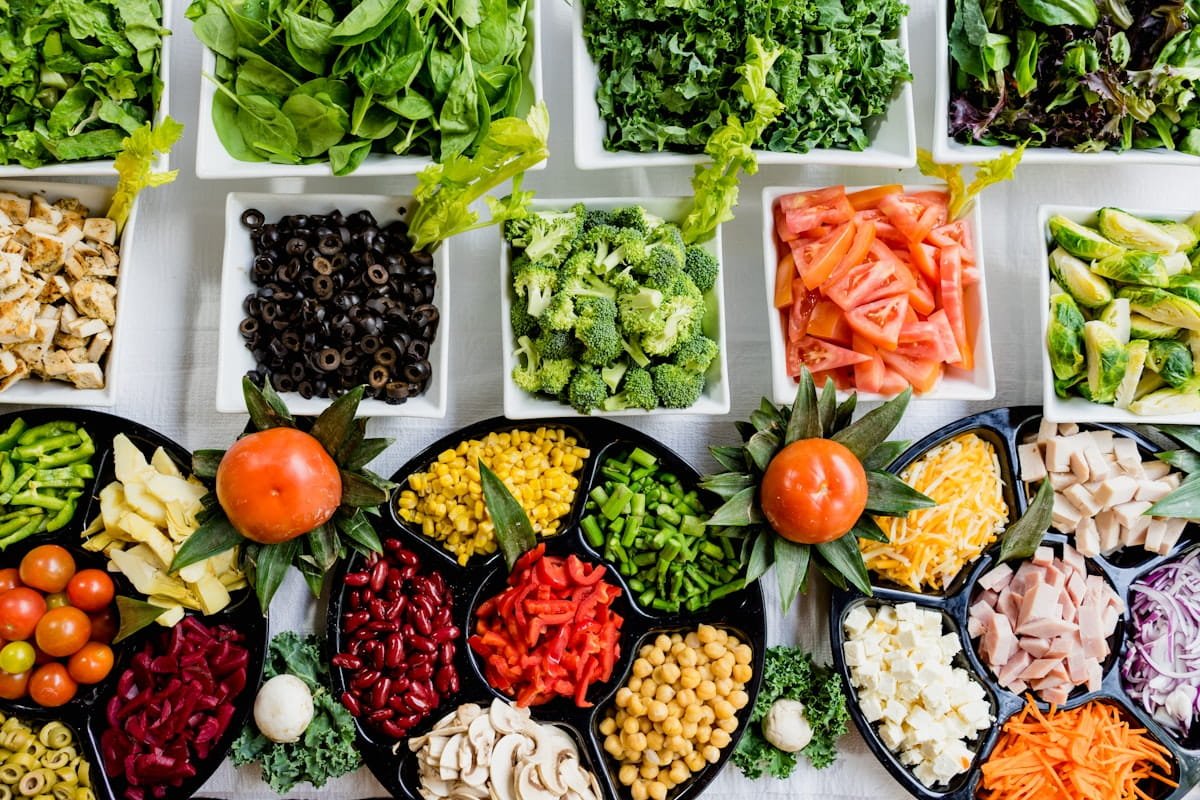
Your gut microbiome — the trillions of bacteria living in your digestive tract — influences immunity, digestion, mental health, and metabolism. A diverse microbial population thrives on fiber, polyphenols, and fermented foods while struggling under processed ingredients and excessive sugar. The good news: the foods that most benefit your gut are also among the most affordable in any grocery store.
Many of the ingredients in this guide also do double duty as anti-inflammatory powerhouses. For a deeper dive into that angle, see our Anti-Inflammatory Meals guide. And if you want to explore the broader landscape of affordable nutrient-dense ingredients, our Budget Superfoods roundup is the perfect companion read.
Budget-Friendly Probiotic Foods
- Plain full-fat yogurt: $3.50 per 32 oz — Contains Lactobacillus and Bifidobacterium — $0.44 per serving
- Kefir: $4.00 per quart — 10+ probiotic strains — $0.50 per serving
- Sauerkraut (fermented cabbage): $3.50 per jar — Lactobacillus plantarum, L. brevis — $0.35 per 2 tbsp serving
- Miso paste: $4.50 per container — Bacillus subtilis, Zygosaccharomyces rouxii — $0.30 per tbsp
- Tempeh: $3.50 per package — Naturally fermented, contains beneficial bacteria — $1.75 per 3 oz serving
- Kimchi: $4.00 per jar — Lactobacillus and other lactic acid bacteria — $0.50 per serving
- Apple cider vinegar with mother: $4.50 per bottle — Contains acetic acid bacteria — $0.30 per tbsp
Budget-Friendly Prebiotic Foods
- Oats: $2.50 per lb — Beta-glucans feed beneficial bacteria — $0.35 per ½ cup cooked
- Barley: $1.80 per lb — Resistant starch and beta-glucans — $0.30 per ½ cup cooked
- Dried beans (bulk): $1.20 per lb — Inulin and oligofructose — $0.30 per ½ cup cooked
- Lentils: $1.50 per lb — Prebiotic fiber and polyphenols — $0.40 per ½ cup cooked
- Bananas (slightly green): $0.60 per lb — Resistant starch — $0.30 per medium banana
- Garlic: $0.50 per bulb — Inulin and fructooligosaccharides — $0.10 per clove
- Onions: $0.80 per lb — High inulin content — $0.20 per medium onion
- Asparagus: $2.50 per lb — Inulin — $0.60 per serving
- Whole grains (brown rice, wheat berries): $1.80 per lb — Prebiotic fiber — $0.40 per serving
🥗 10 Gut-Healthy Budget Recipes
Recipe 1: Overnight Oats with Kefir and Berries ($1.41 per serving)
Ingredients (Serves 1)
- 1/2 cup old-fashioned oats: $0.18
- 3/4 cup plain kefir: $0.38
- 1/4 cup frozen blueberries: $0.35
- 1 tbsp raw honey: $0.20
- 1/2 banana, sliced: $0.15
- 1 tbsp ground flaxseed: $0.15
Instructions
- Layer oats and kefir in a jar
- Cover and refrigerate overnight or at least 4 hours
- In the morning, stir well; add more kefir if too thick
- Top with blueberries, banana, honey, and flaxseed before serving
Recipe 2: Miso Soup with Tofu and Vegetables ($2.45 per serving)
Ingredients (Serves 2)
- 4 cups low-sodium vegetable broth: $0.90
- 2 tbsp white miso paste: $0.60
- 4 oz firm tofu, cubed: $1.00
- 1 cup chopped bok choy: $0.80
- 1/2 cup sliced mushrooms: $0.60
- 2 green onions, sliced: $0.25
- 1 tbsp fresh ginger, minced: $0.25
- Nori seaweed (optional): $0.50
Instructions
- Heat broth in a pot over medium heat
- Add ginger and mushrooms; simmer 5 minutes
- Add tofu and bok choy; simmer 5 minutes more
- In a small bowl, whisk miso with 1/4 cup warm broth until smooth
- Add miso mixture back to pot — do not boil (heat kills beneficial bacteria)
- Stir in green onions and serve immediately
Recipe 3: Lentil and Vegetable Stew ($1.25 per serving)
Ingredients (Serves 4)
- 1 cup dried brown lentils, rinsed: $1.20
- 4 cups low-sodium vegetable broth: $0.90
- 1 large carrot, chopped: $0.35
- 2 celery stalks, chopped: $0.50
- 1 medium onion, diced: $0.35
- 3 cloves garlic, minced: $0.20
- 1 can (14 oz) diced tomatoes: $0.90
- 2 tbsp olive oil: $0.20
- 1 tsp cumin: $0.10
- 1/2 tsp turmeric: $0.10
- Salt and pepper: $0.10
Instructions
- Heat olive oil in a large pot over medium; sauté carrot, celery, and onion 6 minutes
- Add garlic and cook 1 minute
- Add lentils, broth, tomatoes, cumin, and turmeric; bring to boil
- Reduce heat and simmer 30–35 minutes until lentils are very tender
- Season with salt and pepper and serve hot
Recipe 4: Fermented Cabbage Slaw ($0.53 per serving)
Ingredients (Serves 6)
- 1 small head green cabbage, shredded: $2.00
- 2 carrots, shredded: $0.60
- 3 tbsp sea salt: $0.30
- 2 tbsp raw apple cider vinegar: $0.30
Instructions
- Place shredded cabbage and carrots in a large glass jar
- Sprinkle salt over vegetables and massage 5 minutes until liquid releases
- Press vegetables down so they’re submerged in their own liquid
- Cover jar loosely and leave at room temperature for 7–10 days
- Once fermented to taste, add apple cider vinegar and store in refrigerator
- Serve as a side dish or condiment
Recipe 5: Barley and Mushroom Risotto ($2.28 per serving)
Ingredients (Serves 3)
- 1 cup pearl barley: $1.20
- 4 cups low-sodium vegetable broth: $0.90
- 8 oz mushrooms, sliced: $1.50
- 1 medium onion, finely diced: $0.35
- 3 cloves garlic, minced: $0.20
- 1/2 cup dry white wine: $1.50
- 2 tbsp olive oil: $0.20
- 1/4 cup grated Parmesan: $0.60
- 1 tbsp fresh thyme: $0.30
- Salt and pepper: $0.10
Instructions
- Heat broth and keep warm on low heat
- Heat 1 tbsp oil over medium-high; sauté mushrooms 5 minutes; set aside
- Add remaining oil; sauté onion 4 minutes; add garlic and cook 1 minute
- Add barley and stir 2 minutes to toast
- Add wine and stir until absorbed; add warm broth one ladle at a time, stirring frequently
- Continue adding broth as absorbed, about 35–40 minutes until barley is creamy
- Stir in mushrooms, Parmesan, and thyme; season with salt and pepper
Recipe 6: Tempeh and Vegetable Stir-Fry ($3.75 per serving)
Ingredients (Serves 2)
- 8 oz tempeh, cubed: $3.50
- 2 cups broccoli florets: $1.20
- 1 bell pepper, sliced: $0.90
- 1 cup snap peas: $0.80
- 3 cloves garlic, minced: $0.20
- 1 tbsp fresh ginger, minced: $0.25
- 2 tbsp soy sauce: $0.15
- 1 tbsp sesame oil: $0.30
- 1 tbsp rice vinegar: $0.10
- 1 tbsp peanut oil: $0.10
Instructions
- Mix soy sauce, sesame oil, and rice vinegar in a small bowl
- Heat peanut oil in a wok over medium-high heat
- Add tempeh cubes and cook 4 minutes until golden; set aside
- Add garlic and ginger; cook 30 seconds until fragrant
- Add broccoli and bell pepper; stir-fry 4 minutes
- Add snap peas and tempeh; stir-fry 2 minutes more
- Pour sauce over and toss to coat; cook 1 minute until heated through
Recipe 7: Apple Cider Vinegar and Honey Tonic ($0.70 per serving)
Ingredients (Serves 1)
- 1 tbsp raw apple cider vinegar: $0.30
- 1 tbsp raw honey: $0.20
- 8 oz warm water: $0.05
- 1/4 tsp turmeric powder: $0.10
- Pinch of black pepper: $0.05
Instructions
- Pour warm water into a glass
- Add apple cider vinegar and honey; stir well
- Add turmeric and black pepper
- Drink 15–30 minutes before meals to support digestion
Recipe 8: Garlic and Onion Bean Soup ($1.09 per serving)
Ingredients (Serves 4)
- 2 cans (15 oz each) white beans, drained: $1.80
- 4 cups low-sodium vegetable broth: $0.90
- 2 medium onions, diced: $0.70
- 1 whole bulb garlic, cloves minced: $0.50
- 2 tbsp olive oil: $0.20
- 1 tsp dried Italian herbs: $0.10
- 1 bay leaf: $0.05
- Salt and pepper: $0.10
Instructions
- Heat olive oil in a large pot over medium; sauté onions 8 minutes until golden
- Add all garlic cloves and cook 2 minutes until fragrant
- Add beans, broth, Italian herbs, and bay leaf; bring to boil
- Reduce heat and simmer 20 minutes
- Remove bay leaf; season with salt and pepper
- Partially mash beans for a creamier texture if desired

Recipe 9: Green Banana Smoothie Bowl ($2.28 per serving)
Ingredients (Serves 1)
- 1 green (barely ripe) banana: $0.30
- 3/4 cup plain kefir: $0.38
- 1/4 cup Greek yogurt: $0.50
- 1/2 cup frozen spinach: $0.40
- 1/4 cup low-sugar granola: $0.35
- 1 tbsp ground flaxseed: $0.15
- 1 tbsp raw honey: $0.20
Instructions
- Blend banana, kefir, yogurt, and spinach until smooth
- Pour into a bowl
- Top with granola and flaxseed
- Drizzle with honey and serve immediately
Recipe 10: Asparagus and Garlic Pasta ($2.55 per serving)
Ingredients (Serves 2)
- 6 oz whole grain pasta: $0.80
- 1 lb fresh asparagus, cut into 2-inch pieces: $2.50
- 6 cloves garlic, thinly sliced: $0.40
- 3 tbsp olive oil: $0.30
- 1/4 cup reserved pasta water
- 1/4 cup grated Parmesan: $0.60
- Zest of 1 lemon: $0.40
- Salt and pepper: $0.10
Instructions
- Cook pasta per package directions; reserve 1/4 cup pasta water before draining
- Heat olive oil in a large skillet over medium; add garlic and cook 2 minutes until fragrant (don’t brown)
- Add asparagus and cook 6–8 minutes until tender-crisp
- Toss in cooked pasta and reserved pasta water; stir to combine
- Top with Parmesan, lemon zest, salt, and pepper
7-Day Gut Health Meal Plan (Under $55)
Monday — Total: $4.94
- Breakfast: Overnight oats with kefir and berries ($1.41)
- Lunch: Lentil and vegetable stew ($1.25)
- Dinner: Barley and mushroom risotto ($2.28)
Tuesday — Total: $5.90
- Breakfast: Apple cider vinegar tonic + whole grain toast ($0.90)
- Lunch: Leftover lentil stew ($1.25)
- Dinner: Tempeh stir-fry ($3.75)
Wednesday — Total: $5.39
- Breakfast: Greek yogurt with granola and fermented cabbage slaw ($1.85)
- Lunch: Miso soup with tofu ($2.45)
- Dinner: Garlic and onion bean soup ($1.09)
Thursday — Total: $6.58
- Breakfast: Green banana smoothie bowl ($2.28)
- Lunch: Leftover bean soup with whole grain bread ($1.75)
- Dinner: Asparagus and garlic pasta ($2.55)
Friday — Total: $6.22
- Breakfast: Plain kefir with granola and fermented cabbage ($1.50)
- Lunch: Tempeh stir-fry leftovers ($1.87)
- Dinner: Miso soup with extra vegetables ($2.85)
Saturday — Total: $6.86
- Breakfast: Overnight oats ($1.41)
- Lunch: Lentil stew with side salad ($2.00)
- Dinner: Barley risotto with roasted vegetables ($3.45)
Sunday — Total: $5.55
- Breakfast: Apple cider vinegar tonic + whole grain toast ($0.90)
- Lunch: Bean soup with crusty bread ($2.10)
- Dinner: Asparagus pasta with garlic ($2.55)
Weekly total: $41.44 — well under the $55 target.
Foods to Avoid for Gut Health
- Processed foods: Contain artificial additives that disrupt beneficial bacteria
- Excess sugar: Feeds harmful bacteria while depleting beneficial strains
- Alcohol: Damages gut lining and beneficial bacteria populations
- Unnecessary antibiotics: Destroy both harmful and beneficial bacteria
- High-fat processed meats: Promote growth of harmful inflammatory bacteria
- Artificial sweeteners: May negatively impact microbial diversity
- Low-fiber diets: Starve beneficial bacteria of their preferred food source
Foods to Prioritize for Gut Health
- Fermented foods: Yogurt, kefir, sauerkraut, kimchi, tempeh, miso (direct probiotics)
- Prebiotic foods: Oats, barley, beans, garlic, onions, asparagus, bananas (feed beneficial bacteria)
- Polyphenol-rich foods: Berries, green tea, herbs, spices (support beneficial bacteria growth)
- High-fiber foods: Whole grains, legumes, vegetables (essential for microbial diversity)
- Omega-3 sources: Fatty fish, flaxseed, walnuts (reduce inflammation and support bacteria)
A thriving gut microbiome is achievable on a budget with intentional food choices emphasizing whole foods, fermentation, and fiber diversity. For more on reducing inflammation through diet, see our Anti-Inflammatory Meals guide, and for a broader look at the most nutrient-dense affordable ingredients, our Budget Superfoods post is essential reading.